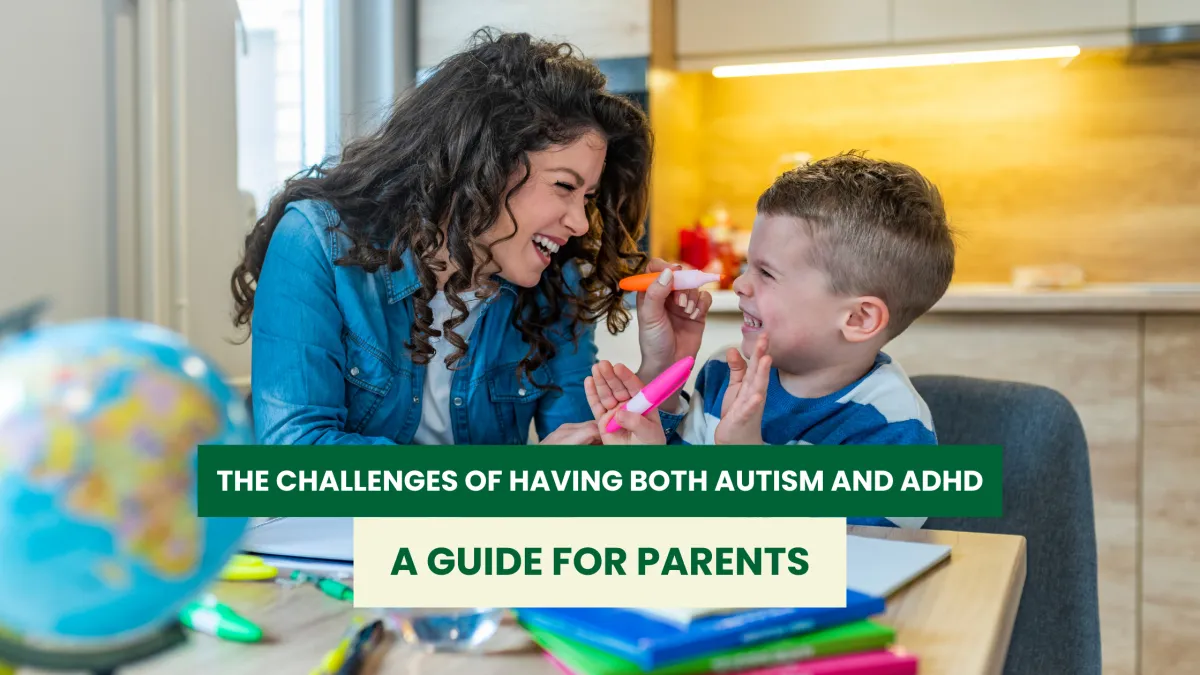
The Challenges of Having Both Autism and ADHD
Living with both autism and ADHD can present a unique set of challenges that affect various aspects of daily life. While both conditions share some overlapping symptoms, such as difficulties with focus and social interaction, they also bring their own distinct struggles. For individuals with both autism and ADHD, managing the demands of both conditions can feel overwhelming at times, but understanding the interplay between the two is key to finding effective strategies for support and self-care.
1. Sensory Sensitivities and Impulsivity
One of the most notable challenges of having both autism and ADHD is the combination of sensory sensitivities and impulsive behaviors. Autism often comes with heightened sensitivity to stimuli such as light, sound, textures, or smells, while ADHD is frequently associated with impulsivity and difficulty regulating attention and behavior. This dual combination can make everyday environments feel chaotic or overstimulating, leading to frustration, meltdowns, or burnout. For example, a noisy or crowded space may be overwhelming due to sensory sensitivities, but at the same time, an ADHD-related impulse to act quickly may lead to hasty decisions or actions without fully processing the environment.
2. Difficulty with Focus and Attention
Both ADHD and autism affect attention and focus, but in different ways. ADHD often manifests as an inability to stay focused, easily distracted by external stimuli or racing thoughts. On the other hand, individuals with autism may experience intense focus on specific interests, known as “hyperfocus,” while struggling with switching attention or shifting focus when required. This combination can result in challenges with tasks that require sustained attention or shifting between different activities. In a work or school environment, this can make it difficult to complete tasks on time, meet deadlines, or maintain consistent productivity.
3. Social Communication Struggles
Social interactions can be particularly challenging for those with autism, as they may struggle with interpreting social cues, understanding unspoken rules, or forming connections with others. ADHD, with its impulsivity and distractibility, can complicate matters further, leading to interruptions, difficulties staying on topic, or missing important social signals. This combination can make social situations feel frustrating, isolating, or overwhelming. People with both conditions may find themselves socially misunderstood, unsure of how to navigate conversations, or feeling out of sync with those around them.
4. Executive Functioning and Organization
Both autism and ADHD can impact executive functioning skills, which are essential for organizing tasks, managing time, and making decisions. ADHD often involves poor impulse control, difficulty with planning, and disorganization, while autism may contribute to rigid thinking patterns and difficulty with flexibility. This can make managing day-to-day tasks like cleaning, meal planning, or managing work responsibilities particularly challenging. The struggle to organize thoughts, prioritize tasks, and follow through on plans can lead to feelings of overwhelm or frustration, often compounded by a lack of understanding from others.
5. Emotional Regulation and Stress Management
Individuals with both autism and ADHD often face challenges in emotional regulation. Autism can bring heightened sensitivity to emotions and difficulty understanding or expressing them, while ADHD can lead to impulsive reactions, irritability, and frustration. Together, these can result in emotional outbursts, anxiety, or feelings of being overwhelmed. Stress management becomes crucial, but it can be difficult to find coping strategies that work when both emotional sensitivity and impulsivity are at play. Understanding triggers, practicing self-soothing techniques, and building supportive environments can help, but it often requires time and patience.
6. Managing Stigma and Misunderstanding
Living with both autism and ADHD can be doubly difficult when it comes to how others perceive you. Many people are unaware of the complexities of both conditions, leading to misunderstandings, judgments, or stereotyping. For example, someone may assume that an individual with ADHD is simply "lazy" or "disorganized," or that a person with autism is “awkward” or “antisocial.” The combination of these diagnoses can lead to frustration, self-doubt, or a sense of alienation, especially when others fail to recognize the unique challenges posed by both conditions.
7. Finding Effective Support
Due to the complexity of managing both autism and ADHD, it can be difficult to find support that addresses the full spectrum of needs. Many individuals may feel that therapies or treatments aimed at one condition don’t fully address the challenges posed by the other. For instance, ADHD medication may improve focus but exacerbate anxiety or sensory sensitivities linked to autism. Finding the right treatment plan often involves trial and error, a combination of therapies (e.g., cognitive-behavioral therapy, behavioral interventions, or occupational therapy), and support from healthcare professionals who understand both conditions.
Conclusion: Embracing Dual Diagnoses with Compassion
While navigating life with both autism and ADHD presents distinct challenges, it also offers opportunities for growth, self-awareness, and self-advocacy. Understanding the unique ways that both conditions manifest can empower individuals to seek tailored strategies for managing everyday tasks, building relationships, and advocating for the support they need. With the right resources and understanding, individuals with autism and ADHD can thrive, finding balance and success in their personal and professional lives. Compassion, patience, and awareness—both from within and from others—are key to embracing the complexities of these dual diagnoses and creating a fulfilling life.

