


























Northeast Portland
1818 NE Irving Street Portland, OR 97232
(971) 331-1366
Oswego Pointe
Suite 220 Lake Oswego, OR 97034
(971) 331-1366
Child ADHD & Behavior Therapy in Portland, OR
Child ADHD and behavior therapy helps children improve focus, manage emotions, and reduce challenging behaviors while building structure, confidence, and positive routines at home and school.
Child ADHD & Behavior Therapy in Portland, OR
Child ADHD and behavior therapy helps children improve focus, manage emotions, and reduce challenging behaviors while building structure, confidence, and positive routines at home and school.
ADHD & Behavior Therapy for Children
Attention-Deficit/Hyperactivity Disorder (ADHD) affects approximately 6 million children in the United States, according to the CDC. Children with ADHD often struggle with focus, impulsivity, emotional regulation, and following directions—challenges that can affect home life, school performance, and peer relationships. For many families, these difficulties can lead to daily frustration, confusion, and emotional exhaustion.
At Forest Psychological Clinic in Portland, OR, we provide compassionate and effective ADHD and behavior therapy for children. Our evidence-based interventions address core symptoms of ADHD while also helping children build skills for self-control, emotional regulation, and positive behavior. We also work closely with parents to strengthen family dynamics and improve consistency at home.
Our approach is strength-based, affirming, and tailored to each child’s developmental level and needs. Whether your child has been formally diagnosed or you're just beginning to explore the possibility of ADHD, our team is here to provide clear answers, practical tools, and lasting support.
Contact Our Team
Please avoid sharing private medical history or sensitive details in this form. This questionnaire is for screening and scheduling purposes only and does not provide a diagnosis.
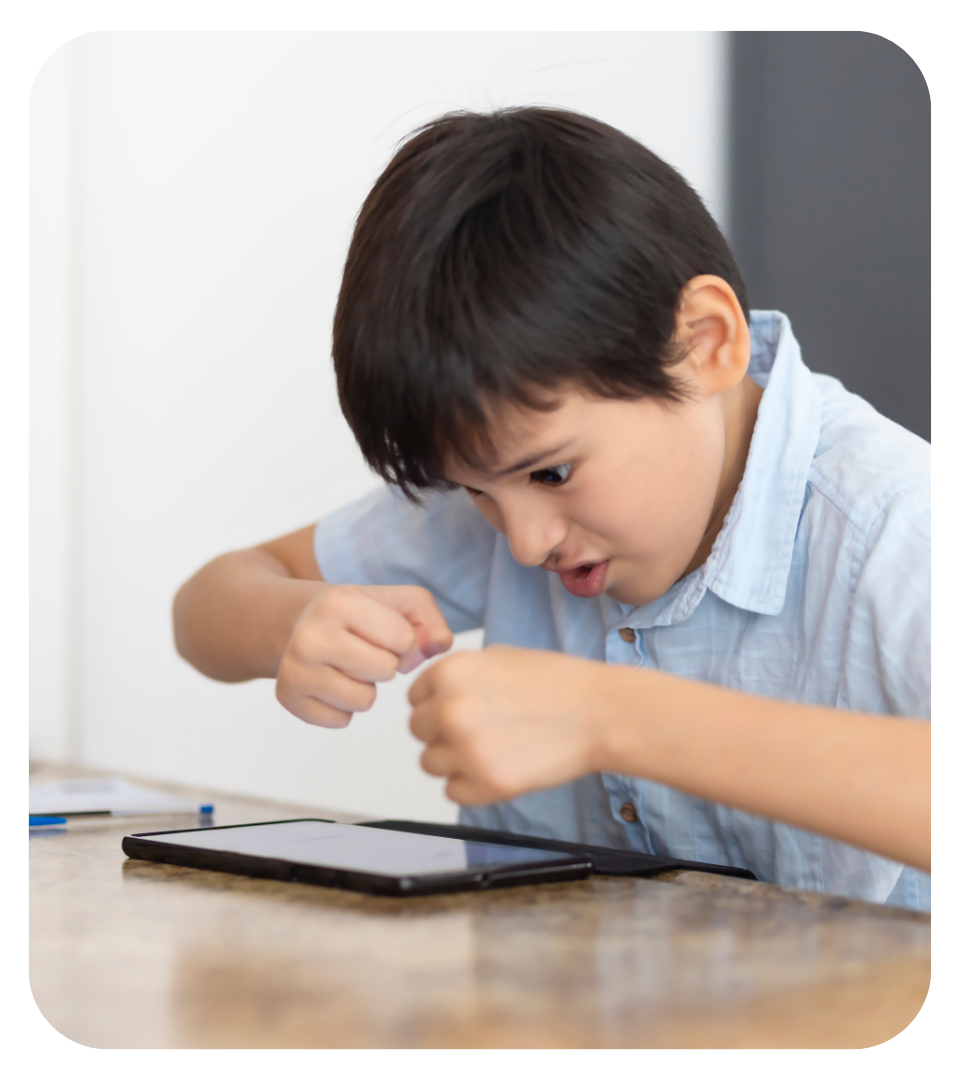
About ADHD in Children
ADHD is a neurodevelopmental disorder characterized by patterns of inattention, hyperactivity, and impulsivity that interfere with daily functioning or development. Children with ADHD may struggle to stay seated, follow multi-step directions, manage frustration, or organize tasks. These difficulties are often more pronounced than what would be expected for their age and developmental stage.
There are three primary types of ADHD: predominantly inattentive presentation, predominantly hyperactive-impulsive presentation, and combined presentation. Symptoms often emerge before age 12, though signs can be evident earlier. Many children with ADHD also experience co-occurring conditions such as oppositional defiant disorder (ODD), anxiety, learning disorders, or sensory processing challenges.
ADHD is not the result of poor parenting or lack of motivation. It is a brain-based condition that requires structured, supportive interventions. At Forest Psychological Clinic, we understand how ADHD impacts both children and their families. Our therapy helps children develop executive functioning skills, emotional regulation, and improved behavior while empowering parents with strategies to support their child’s success.
How to Know If Your Child Needs ADHD or Behavior Therapy
Struggles With Focus and Completing Tasks
Your child frequently starts activities but doesn’t finish, gets distracted easily, or appears to be "daydreaming" when instructions are given.
Challenges With Peer
Relationships or Social Skills
Difficulty interpreting social cues, sharing, or managing emotions often leads to conflicts with peers or being labeled as disruptive.
Challenges With Peer Relationships or Social Skills
Difficulty interpreting social cues, sharing, or managing emotions often leads to conflicts with peers or being labeled as disruptive.
Impulsive Behavior That Disrupts Others
Your child blurts out answers, interrupts conversations, grabs things without asking, or has difficulty waiting their turn during play or classroom activities.
Oppositional Behavior or Frequent Power Struggles
Your child frequently says "no," resists adult direction, or engages in arguments and defiance, especially when asked to complete tasks.
Oppositional Behavior or
Frequent Power Struggles
Your child frequently says "no," resists adult direction, or engages in arguments and defiance, especially when asked to complete tasks.
Frequent Tantrums
and Emotional Outbursts
Minor frustrations quickly escalate into yelling, crying, or aggressive behavior, often making it difficult to transition between tasks or routines.
Frequent Tantrums and Emotional Outbursts
Minor frustrations quickly escalate into yelling, crying, or aggressive behavior, often making it difficult to transition between tasks or routines.
Low Frustration Tolerance and Mood Swings
Quick mood shifts and a low threshold for frustration result in frequent tears, anger, or withdrawal when things don’t go as expected.
Low Frustration
Tolerance and Mood Swings
Quick mood shifts and a low threshold for frustration result in frequent tears, anger, or withdrawal when things don’t go as expected.
Difficulty Following Directions or Rules
You often have to repeat instructions, and your child seems to "forget" or ignore expectations even after clear reminders.
Organizational Difficulties
With School or Home Tasks
Your child loses items, forgets assignments, or has a disorganized backpack or room, often needing excessive prompting to complete tasks.
Organizational Difficulties With School or Home Tasks
Your child loses items, forgets assignments, or has a disorganized backpack or room, often needing excessive prompting to complete tasks.
Constant Movement or
Fidgeting in All Settings
Your child can’t sit still, taps or squirms during quiet time, or climbs or runs excessively, even in situations that require calm behavior.
Constant Movement or Fidgeting in All Settings
Your child can’t sit still, taps or squirms during quiet time, or climbs or runs excessively, even in situations that require calm behavior.
A Formal ADHD Diagnosis
or Strong Suspicion Exists
You have received a diagnosis or strongly suspect ADHD based on school feedback or observed behaviors, and want tools and support to manage it effectively.
A Formal ADHD Diagnosis or Strong Suspicion Exists
You have received a diagnosis or strongly suspect ADHD based on school feedback or observed behaviors, and want tools and support to manage it effectively.
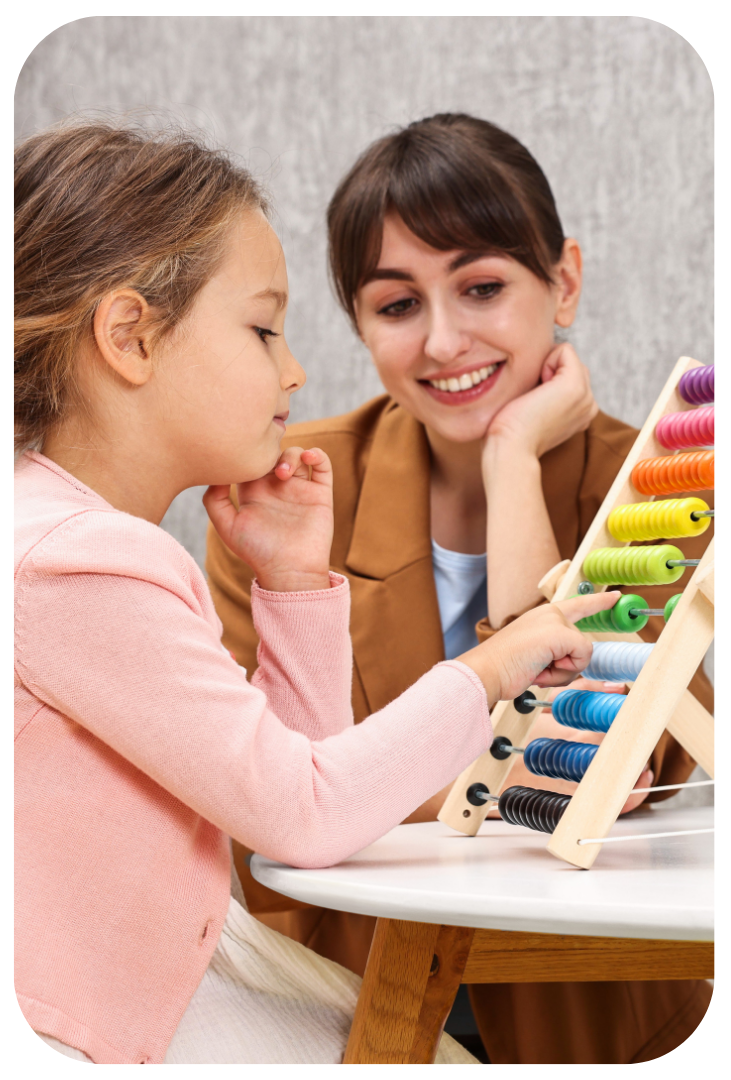
What to Expect in Therapy
Comprehensive Intake & Assessment
We begin with a detailed intake that reviews developmental history, school feedback, and behavior patterns to understand your child’s strengths, challenges, and daily needs.
Structured, Engaging Sessions
Therapy sessions are active and hands-on, using games, visuals, and predictable routines that match your child’s energy level, attention span, and learning style.
Evidence-Based ADHD Support
Therapy uses proven ADHD approaches to build focus, impulse control, and executive functioning skills in ways that feel supportive, practical, and age appropriate.
Parent Coaching & Collaboration
Parents receive guidance on positive reinforcement, routines, and behavior strategies to reduce stress at home and support consistency between sessions.
Skill Building & Progress Tracking
Children practice emotional regulation and coping skills while progress is monitored through feedback and observation to ensure therapy stays effective and supportive.
Help center
Questions and Answers
Find answers to the most commonly asked questions about our services.
What age should a child start therapy for ADHD or behavior issues?
Therapy can begin as early as preschool if symptoms interfere with development. Early support helps prevent problems from escalating and equips families with lifelong strategies for success.
Does therapy for ADHD involve medication?
Therapy for ADHD does not require medication, and many children make meaningful progress through behavior therapy and related approaches alone. For school age children and younger kids alike, evidence-based behavioral interventions focus on improving a child’s daily functioning by addressing child’s behavior, building self control, and reducing problem behaviors that interfere with learning, relationships, and home life.
A core component of non-medication treatment is behavioral parent training and parent training, which emphasizes training parents and teaching parents practical strategies to support positive behavior and reduce negative behavior at home and at child’s school. These approaches often draw from structured parenting programs, such as a positive parenting program or parent management training, which strengthen parenting skills, improve parent child interactions, and support a healthier parent child relationship. This work can also help reduce parental stress, which often increases when managing children with ADHD.
For children with attention deficit hyperactivity disorder, therapy may also target specific ADHD symptoms, including child’s ADHD symptoms or severe ADHD symptoms, through consistent behavior management strategies. Techniques like positive reinforcement help encourage desired behavior, while structured plans address classroom behavior, children’s peer relationships, and how a child behaves across settings. Some programs also include parental friendship coaching to support social success outside the home.
While behavioral treatments can be highly effective on their own, some families choose to combine therapy with medication, especially when symptoms significantly impact learning or safety. In those cases, we collaborate closely with physicians and other professionals to ensure care is coordinated. Even when medication is part of a plan, therapy remains essential for teaching long-term skills, supporting good behavior, and helping families manage challenges using proven, sustainable strategies rather than relying on medication alone.
Can therapy help my child follow directions better?
Yes. Therapy can be very effective in helping children follow directions more consistently, especially when difficulties are linked to attention deficit hyperactivity disorder, related ADHD symptoms, or challenges with self control. Many school age children struggle not because they don’t understand instructions, but because processing, attention, impulse control, or regulation gets in the way of follow-through.
Therapy often uses behavior therapy and behavioral therapy approaches to break directions into manageable steps and teach children how to pause, listen, and respond appropriately. Clinicians focus on shaping child’s behavior through predictable routines, visual supports, and clear expectations. Strategies such as positive reinforcement are used to strengthen desired behavior and encourage good behavior, while reducing problem behaviors that interfere with compliance.
A key part of treatment involves behavior management strategies that help children succeed across settings, including at home and in the classroom. Through targeted behavioral interventions, therapists support improvements in classroom behavior, help children practice responding to instructions, and address underlying risk factors that may affect learning or regulation. Over time, these skills generalize so a child behaves more consistently even when routines change.
Parents play a critical role in this process. Therapy often includes parent training, behavioral parent training, and training parents in practical techniques they can use daily. By teaching parents how to give effective instructions, set limits, and respond consistently, therapy strengthens parent child interactions and supports a healthier parent child relationship. These skills are commonly delivered through structured parenting programs, which also help reduce parental stress.
For children with ADHD, therapy may also incorporate stress management techniques, social skills training, or elements of talk therapy to support emotional regulation and listening skills. Progress is tracked by monitoring changes in child’s symptoms, ensuring strategies are adjusted as the child grows and their needs evolve.
Overall, therapy doesn’t just help a child follow directions in the moment—it builds lasting skills that support independence, learning, and success across daily life.
What if my child is defiant and refuses to participate?
We use child-friendly, engaging methods to build trust. Resistance is often part of ADHD. We work gradually, earning cooperation while coaching parents on managing behavior at home.
Will behavior therapy help my child at school?
Yes. We teach skills that apply in the classroom like focus, following rules, and managing frustration. With your permission, we can coordinate with teachers to support generalization.
How involved are parents in ADHD therapy?
Parents play a key role. We offer parent training sessions, weekly feedback, and home plans to reinforce progress. Strong parent-clinician collaboration leads to better outcomes.
How long does it take to see improvement?
Many families see noticeable progress in 8-12 sessions, though this varies. Therapy is goal-oriented, and we monitor results closely to ensure effective support.
What is Behavioral Parent Training (BPT)?
BPT teaches caregivers how to increase cooperation, reduce misbehavior, and build positive relationships using structured praise, clear expectations, and consistent consequences.
Is ADHD therapy different from general child counseling?
Yes. ADHD therapy is structured, skill-based, and tailored to executive functioning and behavior challenges. It focuses on practical strategies, not just emotional expression.
How do we start ADHD therapy at Forest Psychological Clinic?
Reach out via phone or our website to schedule a consultation. We’ll match you with a therapist experienced in ADHD and behavior therapy to begin your child’s personalized plan.

We provide a safe space where you can find peace within yourself. Our expert therapists guide you through overcoming mental challenges with personalized care.
Lake Oswego
300 Oswego Pointe, Suite 220 Lake Oswego, OR 97034
Northeast Portland
1818 NE Irving Street Portland, OR 97232
Copyright © 2026 Forest Psychological Clinic, LLC - All Rights Reserved.