























Northeast Portland
1818 NE Irving Street Portland, OR 97232
(971) 331-1366
Oswego Pointe
Suite 220 Lake Oswego, OR 97034
(971) 331-1366
Child Anxiety Therapy
in Portland, OR
Anxiety is one of the most common mental health conditions affecting children today. According to the Anxiety and Depression Association of America (ADAA), anxiety disorders affect 1 in 8 children.
Child Anxiety Therapy
in Portland, OR
Anxiety is one of the most common mental health conditions affecting children today. According to the Anxiety and Depression Association of America (ADAA), anxiety disorders affect 1 in 8 children.
Child Anxiety Therapy
Anxiety is one of the most common mental health conditions affecting children today. According to the Anxiety and Depression Association of America (ADAA), anxiety disorders affect 1 in 8 children. While it’s normal for kids to feel worried or scared occasionally, chronic and unmanageable anxiety can have long-term consequences on their emotional, social, and academic development.
Children with anxiety and anxiety disorders often experience excessive worry, fear, or panic in situations that don't seem stressful to others. These anxiety symptoms can interfere with their ability to go to school, make friends, or sleep through the night. Parents may feel helpless or confused when their child’s emotions seem unpredictable or when comforting them no longer works.
Over time, untreated anxiety can also contribute to physical symptoms like headaches or stomachaches, and lead to avoidance behaviors that further isolate the child.
At Forest Psychological Clinic in Portland, OR, we offer compassionate and research-based child anxiety therapy. Our team helps families understand what their child is going through, teaches them effective ways to manage anxiety and anxiety disorders, and supports children in building skills that promote long-term confidence and resilience and treat anxiety.
Contact Our Team
Please avoid sharing private medical history or sensitive details in this form. This questionnaire is for screening and scheduling purposes only and does not provide a diagnosis.
About Child Anxiety
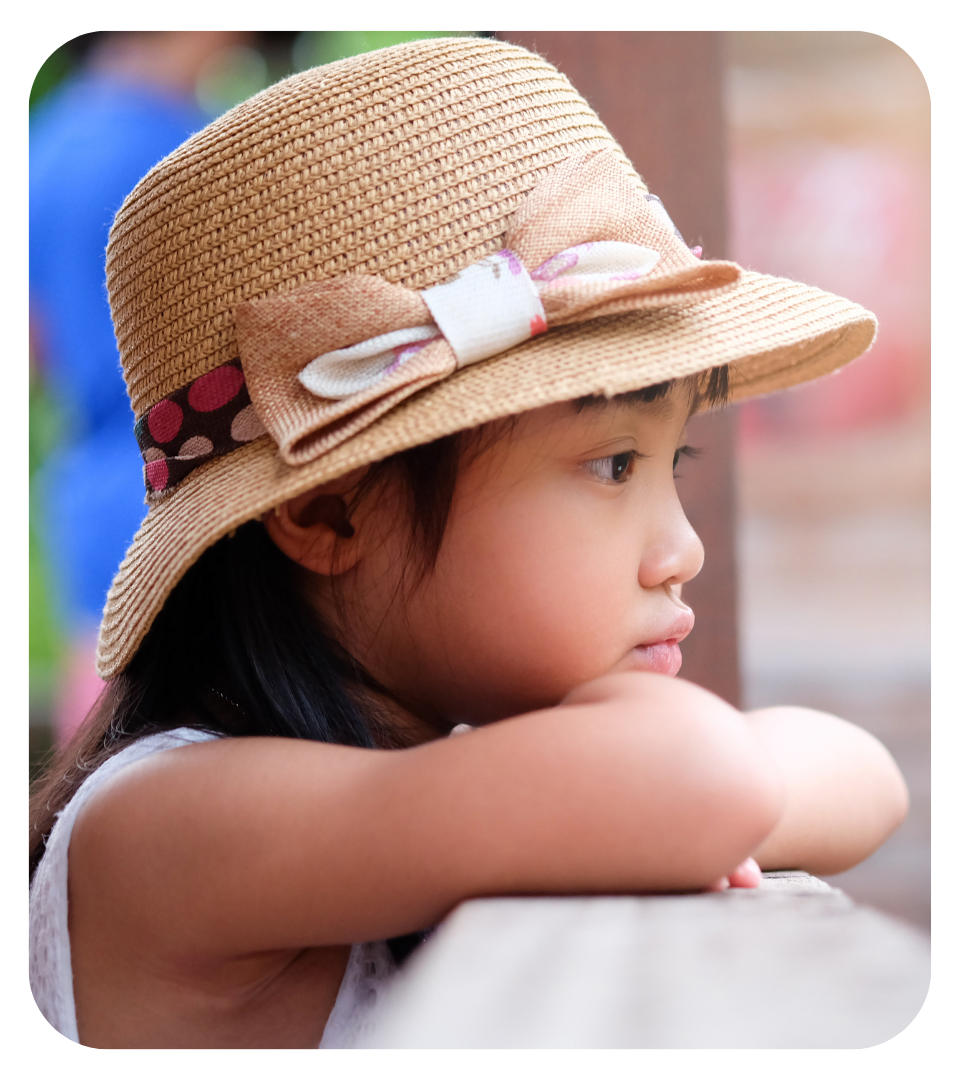
Child anxiety is a natural response to stress, but for some children, it becomes a chronic condition that impacts their daily life. Anxiety in children can be caused by a variety of factors, including genetics, brain chemistry, personality, and life events such as trauma or significant changes.
Common types of childhood anxiety disorders include separation anxiety, generalized anxiety disorder (GAD), social anxiety disorder, selective mutism, and specific phobias. Helping manage anxiety symptoms in younger children is something we love to do regardless of the cause.
Children with anxiety disorders may appear clingy, irritable, distracted, or physically unwell. Their worries may revolve around school performance, family safety, being judged by peers, or sleeping alone. Anxiety can also affect cognitive development and interfere with a child’s ability to explore their world and develop independence. When left untreated, anxiety may worsen over time and contribute to depression, low self-esteem, and academic struggles.
Understanding anxiety in children requires a compassionate, developmentally informed approach. At Forest Psychological Clinic, we help parents identify early signs of anxiety and provide tailored interventions that empower children to face challenges with confidence.
How to Know If Your Child Needs Anxiety Therapy
Frequent Worrying About School or Family Safety
Your child constantly expresses concern about school, their grades, your health, or family well-being, even when nothing is wrong, and reassurance doesn't ease the worry.
Frequent Worrying About
School or Family Safety
Your child constantly expresses concern about school, their grades, your health, or family well-being, even when nothing is wrong, and reassurance doesn't ease the worry.
Meltdowns or Tantrums During Transitions
Sudden outbursts happen when routines change, such as starting school, visiting new places, or being dropped off at a friend’s house.
Meltdowns or Tantrums
During Transitions
Sudden outbursts happen when routines change, such as starting school, visiting new places, or being dropped off at a friend’s house.
Avoids Social Events and New Situations
Your child refuses birthday parties, group play, or unfamiliar situations because of overwhelming fear, often preferring isolation or needing a parent present at all times.
Asks for Reassurance Over and Over
Your child repeatedly asks the same question—"Will I be okay?" or "Are you sure?"—and seems unable to feel calm even after being reassured multiple times.
Physical Complaints
With No Medical Cause
Frequent headaches, stomachaches, or muscle tension that persist despite medical clearance may be signs of anxiety manifesting through physical symptoms.
Physical Complaints With No Medical Cause
Frequent headaches, stomachaches, or muscle tension that persist despite medical clearance may be signs of anxiety manifesting through physical symptoms.
Clingy Behavior and Separation Distress
Your child becomes extremely distressed or tearful when separated from you, even for short periods like going to school or sleeping at a relative’s house.
Extreme Perfectionism and Fear of Mistakes
Your child becomes upset over minor errors, avoids trying new things, or erases homework repeatedly for fear of being wrong or not good enough.
Extreme Perfectionism
and Fear of Mistakes
Your child becomes upset over minor errors, avoids trying new things, or erases homework repeatedly for fear of being wrong or not good enough.
Trouble Focusing or Completing Tasks
Worries occupy their mind, making it difficult to stay focused, complete assignments, or follow through with chores or responsibilities.
Difficulty Sleeping Alone or Nightmares
Your child struggles with falling asleep independently, wakes frequently at night, or has recurring nightmares tied to fear-based themes.
Anxiety Interferes With Daily Functioning
Your child’s anxiety prevents them from participating in school, family activities, or friendships, significantly reducing their overall quality of life.
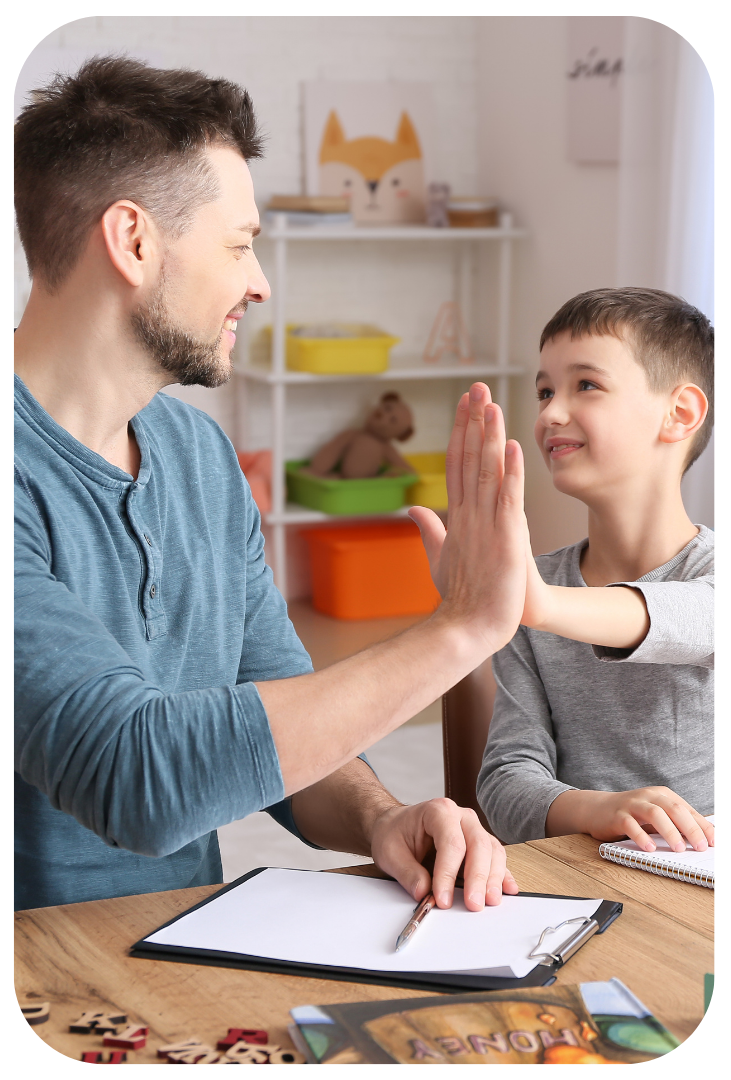
What to Expect in Therapy
Developmentally Informed Evaluation
We begin with a child-appropriate evaluation that gathers insight from parents and relevant supports to understand anxiety patterns, emotional needs, and areas where your child needs help.
Personalized Treatment Plan
Each child receives an individualized therapy plan designed around their symptoms, strengths, and goals, using evidence-based methods that feel supportive, engaging, and age appropriate.
Engaging, Play-Based Sessions
Therapy sessions include play, art, storytelling, and movement to help children express emotions, build coping skills, and learn anxiety management in a way that feels safe and relatable.
Personalized Treatment Plan
Each child receives an individualized therapy plan designed around their symptoms, strengths, and goals, using evidence-based methods that feel supportive, engaging, and age appropriate.
Skill Building & Progress Tracking
Children practice calming and coping skills while progress is monitored through observation and feedback, allowing therapy to adjust and remain effective as your child grows.
Help center
Questions and Answers
Find answers to the most commonly asked questions about our services.
What age is appropriate to start anxiety therapy for children?
Children can begin anxiety therapy as early as age 3, and in some cases even earlier, when anxiety symptoms start to interfere with a child’s daily functioning, emotional development, or family life. Younger children often show anxiety through changes in behavior, anxious behaviors, tantrums, trouble sleeping, or physical complaints linked to emotional distress rather than through words. Because many children lack the language to describe intense fear or extreme fear, early support focuses on observation, play, and caregiver guidance.
At this age, therapy is highly developmentally tailored. Clinicians often work closely with family members to encourage kids to express feelings safely while strengthening coping strategies at home. For anxious children, approaches such as play-based interventions, parent coaching, and early forms of cognitive behavioral therapy help a child manage worry, reduce panic attacks, and manage anxiety symptoms in age-appropriate ways. This early work is especially important because children develop anxiety differently depending on temperament, family history, and exposure to stressful events.
Early therapy can also be critical for children showing signs of childhood anxiety, separation anxiety, or separation anxiety disorder, as well as early indicators of pediatric anxiety disorders such as panic disorder, generalized anxiety disorder, social anxiety disorder, or obsessive compulsive disorder. In some cases, untreated anxiety can persist into later childhood anxiety disorders or adolescence, affecting school performance, peer relationships, and overall child’s life.
At Forest Psychological Clinic, a licensed mental health professional carefully assesses each child’s symptoms, developmental stage, and environment to create an individualized treatment plan. For older children and teens, therapy may gradually incorporate more structured CBT techniques, response prevention, progressive muscle relaxation, and skills to challenge negative thoughts. When appropriate, collaboration with a child’s doctor or specialists in adolescent psychiatry ensures comprehensive care.
Ultimately, early intervention can significantly improve outcomes. Starting therapy young not only helps treat anxiety in the present but also builds lifelong coping skills that support emotional regulation and resilience as children grow.
How long does therapy take to work for child anxiety?
Therapy length varies by child, but many families notice improvements within 8 to 12 sessions. Factors like the severity of anxiety, consistency of attendance, and support at home influence progress. Our therapists set clear goals and regularly evaluate progress to ensure effectiveness.
Will my child need medication for anxiety?
Not necessarily. Many children benefit from therapy alone. Medication may be considered in moderate to severe cases, especially if therapy progress is limited. We collaborate with pediatricians or psychiatrists when needed and prioritize non-pharmacological approaches first.
What type of therapy works best for children with anxiety?
Cognitive Behavioral Therapy (CBT) is considered the gold standard for treating anxiety in children. We also integrate play-based techniques, parent-child interaction therapy (PCIT), mindfulness strategies, and exposure therapy as appropriate for each child.
Can anxiety in children look like behavioral problems?
Yes. Children with anxiety may appear defiant, clingy, avoidant, or overly emotional. These behaviors are often attempts to cope with internal distress. Therapy helps uncover the root causes and teach healthier coping mechanisms.
Should parents be involved in the therapy process?
Absolutely. Parent involvement is critical for reinforcing skills at home, understanding anxiety triggers, and supporting emotional regulation. We guide parents with tools, feedback, and strategies to become effective co-regulators and encouragers.
How do I talk to my child about starting therapy?
Use simple, reassuring language. For example: "Therapy is a place where you can talk about feelings and learn ways to feel better." Emphasize that it's a safe, helpful space, not a punishment. We can support you in introducing therapy in a comforting way.
Will therapy help with school-related anxiety?
Yes. Many of our clients struggle with test anxiety, school avoidance, social stress, or performance pressure. Therapy helps children build confidence, manage fears, and improve their school experience. We can collaborate with teachers or counselors if needed.
What if my child refuses to go to therapy?
It's common for children to feel hesitant. Our therapists are skilled at building rapport and making sessions fun and inviting. Parents can support engagement by validating feelings, offering praise for effort, and explaining therapy as a helpful tool.
How do I get started with child anxiety therapy at Forest Psychological Clinic?
Simply contact our clinic by phone or email, or use our online consultation form. We’ll match you with a child therapist who fits your child’s needs. After an initial intake, we’ll guide you through every step toward helping your child feel better.

We provide a safe space where you can find peace within yourself. Our expert therapists guide you through overcoming mental challenges with personalized care.
Lake Oswego
300 Oswego Pointe, Suite 220 Lake Oswego, OR 97034
Northeast Portland
1818 NE Irving Street Portland, OR 97232
Copyright © 2026 Forest Psychological Clinic, LLC - All Rights Reserved.