





















Northeast Portland
1818 NE Irving Street Portland, OR 97232
(971) 331-1366
Oswego Pointe
Suite 220 Lake Oswego, OR 97034
(971) 331-1366
Child Autism Therapy in Portland, OR
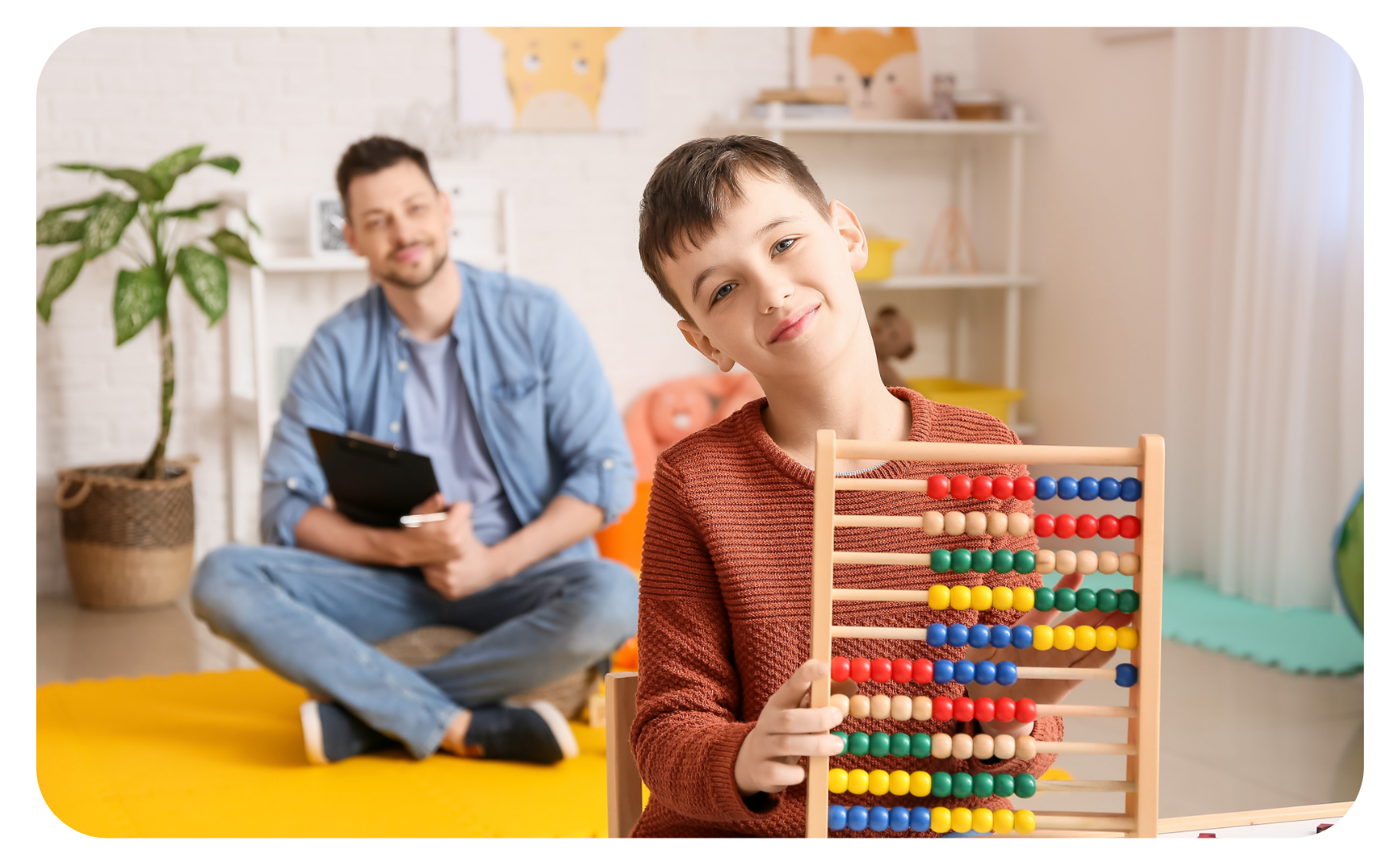
Child autism therapy supports communication, emotional understanding, and social development. Care is personalized to help children build skills, confidence, and meaningful connections in everyday settings.
Child Autism Therapy
in Portland, OR
Child autism therapy supports communication, emotional understanding, and social development. Care is personalized to help children build skills, confidence, and meaningful connections in everyday settings.
Autism Therapy for Children
Autism spectrum disorder (ASD) affects approximately 1 in 31 children in the United States aged 8, according to the CDC. Early intervention and evidence-based therapy can make a tremendous difference in helping children with autism build communication skills, manage sensory sensitivities, and thrive in daily life. Yet for many families, the process of navigating support and understanding what kind of therapy will help can feel overwhelming.
At Forest Psychological Clinic in Portland, OR, we specialize in compassionate, individualized autism therapy for children. We understand that no two children on the spectrum are the same, which is why our therapy plans are tailored to the child’s specific developmental profile, strengths, and goals. Using gold-standard approaches grounded in the latest research, our team helps children improve emotional regulation, social interactions, and daily living skills while empowering families with tools to support progress at home.
Our therapists bring warmth, patience, and clinical expertise to every session. Whether your child was recently diagnosed or has been navigating autism for years, we’re here to provide support that respects their uniqueness and fosters long-term success.
Contact Our Team
Please avoid sharing private medical history or sensitive details in this form. This questionnaire is for screening and scheduling purposes only and does not provide a diagnosis.

About Autism in Children
Autism spectrum disorder (ASD) is a neurodevelopmental condition characterized by challenges in social communication, restricted interests, and repetitive behaviors. It also includes unique strengths such as attention to detail, strong memory for facts, or intense focus on preferred topics. Symptoms typically emerge in early childhood, often before age 3.
Children with autism may experience differences in how they interpret social cues, express emotions, or respond to sensory input. Some may be minimally verbal, while others speak fluently but struggle with social reciprocity or flexible thinking. Common co-occurring challenges include anxiety, ADHD, learning differences, and sensory processing difficulties.
Understanding autism involves seeing the whole child, not just a diagnosis. At Forest Psychological Clinic, we embrace a neurodiversity-affirming approach that celebrates individuality while equipping children with tools to navigate the world more confidently. Our therapy promotes communication, self-regulation, and adaptive behavior in a way that is positive, practical, and deeply respectful of each child’s needs.
How to Know If Your Child Needs Autism Therapy
Delayed or Limited Verbal
Communication Skills
Your child speaks less than expected for their age, uses few words, or repeats words without meaningful use, limiting effective day-to-day communication
Delayed or Limited Verbal Communication Skills
Your child speaks less than expected for their age, uses few words, or repeats words without meaningful use, limiting effective day-to-day communication.
Limited Peer Relationships or Play Skills
Your child shows little interest in other children, prefers to play alone, or has difficulty engaging in imaginative, reciprocal, or cooperative play.
Difficulty Understanding
Social Cues or Emotions
Your child may not respond to their name, struggles with eye contact, or doesn’t pick up on facial expressions, tone of voice, or body language in social situations.
Difficulty Understanding Social Cues or Emotions
Your child may not respond to their name, struggles with eye contact, or doesn’t pick up on facial expressions, tone of voice, or body language in social situations.
Delayed Adaptive or Daily Living Skills
Your child struggles with age-appropriate self-care tasks like dressing, toileting, feeding, or transitioning independently between activities.
Repetitive Behaviors or Intense Interests
You observe repeated movements like hand flapping, spinning, or lining up toys, or your child becomes intensely focused on specific topics or routines.
Intense Emotional Reactions or Tantrums
Frustration, anxiety, or unmet needs lead to frequent meltdowns or emotional outbursts, which can appear sudden or extreme relative to the situation.
Strong Resistance to Changes in Routine
Minor changes in schedule or transitions trigger meltdowns or distress, making it difficult for your child to adapt to new situations or environments.
Difficulty Expressing Needs and Desires Clearly
Your child may struggle to express basic wants or needs through words, gestures, or pictures, leading to confusion, withdrawal, or challenging behaviors.
Difficulty Expressing
Needs and Desires Clearly
Your child may struggle to express basic wants or needs through words, gestures, or pictures, leading to confusion, withdrawal, or challenging behaviors.
Sensory Sensitivities
That Disrupt Daily Life
Your child may be hypersensitive or
under-responsive to sounds, lights, textures, or touch, resulting in discomfort, avoidance, or behavioral challenges.
Sensory Sensitivities That Disrupt Daily Life
Your child may be hypersensitive or under-responsive to sounds, lights, textures, or touch, resulting in discomfort, avoidance, or behavioral challenges.
Your Child Has an Autism Diagnosis
and Needs Support
You have received a diagnosis of ASD and are looking for evidence-based, child-centered therapy to help your child gain skills, reduce challenges, and feel more confident.
Your Child Has an Autism Diagnosis and Needs Support
You have received a diagnosis of ASD and are looking for evidence-based, child-centered therapy to help your child gain skills, reduce challenges, and feel more confident.
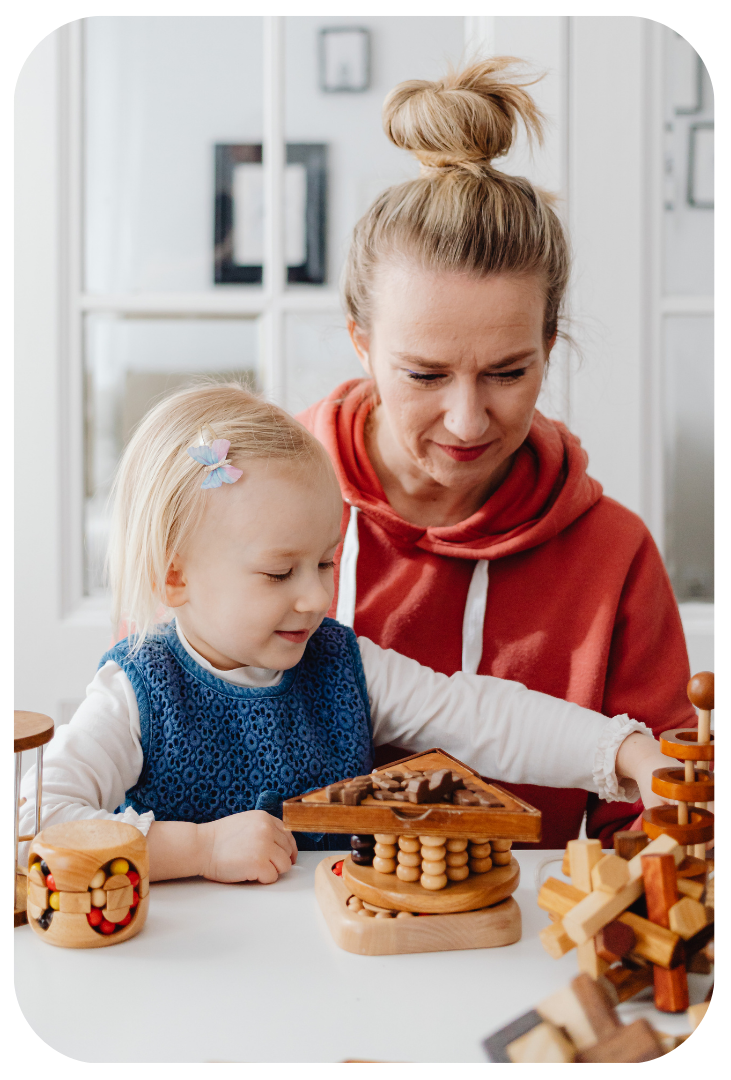
What to Expect in Therapy
Autism-Focused Evaluation
We begin with a detailed intake reviewing developmental history, prior evaluations, and caregiver input to understand your child’s strengths, needs, and therapy goals.
Individualized Treatment Planning
Therapy goals are personalized based on your child’s abilities, learning style, and family priorities, ensuring support is meaningful, practical, and aligned with daily life.
Developmentally Tailored Sessions
Sessions are structured around your child’s age, sensory needs, and attention span, using predictable routines and engaging activities to support comfort and learning.
Skill Building Across Key Areas
Therapy focuses on communication, emotional understanding, social skills, and behavior using evidence-based strategies adapted to your child’s developmental level.
Parent Collaboration & Support
Parents are actively involved through coaching, tools, and feedback to support skill carryover at home and promote consistency across environments.
Help center
Questions and Answers
Find answers to the most commonly asked questions about our autism services.
At what age should a child start autism therapy?
Autism therapy can begin as early as toddlerhood, often by age 2 or 3. Early intervention is associated with improved language, behavior, and social skills. We adapt therapy for each developmental stage. At Forest Psychological we provide a safe space working with both children and teens.
For more information on our teen autism services - visit our teen autism therapy page.
What types of therapy are used for children with autism?
Child autism therapy can look different depending on the child’s age, communication style, sensory needs, emotional regulation, and family goals. At Forest Psychological Clinic, therapy is tailored to the child rather than built around a one-size-fits-all approach.
For some children, therapy may focus on emotional regulation, coping with transitions, building flexible thinking, strengthening communication, improving social understanding, or helping parents respond to meltdowns, anxiety, sensory overwhelm, and daily routines. Sessions may also include parent guidance so caregivers have practical strategies they can use at home and at school.
Some autistic children may also benefit from additional supports such as speech therapy, occupational therapy, school-based services, or behavioural support. When those services are needed, we can help families understand what may be useful and collaborate with other providers when appropriate.
Do you provide ABA therapy?
Forest Psychological Clinic provides autism-informed therapy and psychological support for children, teens, and families. We do not describe this service as a direct replacement for ABA therapy, speech therapy, occupational therapy, or school-based intervention.
When a child would benefit from additional services, we can help families think through what type of support may be appropriate and coordinate with other professionals when needed.
Do you offer an autism evaluation?
Yes. Forest Psychological Clinic offers comprehensive autism evaluations to help clarify your child’s strengths, challenges, and needs. An evaluation can guide appropriate therapy options, the type of autism services required and support planning for effective treatment moving forward. You can learn more about what the evaluation includes and how to get started here: Autism Evaluation
The evaluation process can also guide autism treatment planning by identifying your child’s specific communication needs, sensory needs, emotional regulation challenges, daily living skills, social interactions, and areas where they may need more structured support.
From there, our team can help you understand the next steps and create a clearer path forward using evidence-based approaches that support your child’s development.
For many families, an autism evaluation is the first step toward effective treatment, better school planning, and more personalized support at home and in daily life. You can learn more about what the evaluation includes and how to get started here: Autism Evaluation.
Depending on your child’s needs, recommendations may include individual therapy sessions, parent guidance, play therapy strategies, group therapy options, school collaboration, or referrals to sensory friendly spaces and other supportive providers. The goal is to help families understand where their child may receive services, what kind of structured environment may support more progress, and how to begin building skills that support communication, daily living, self trust, relationships, and your child’s full potential.
Will autism therapy help my child speak more clearly?
Yes, therapy can help many children speak more clearly, especially when communication goals are built into a comprehensive, individualized approach. For neurodivergent children, therapy often targets both expressive and receptive language by strengthening how a child understands language, forms sounds or words, and uses communication meaningfully in everyday situations. Strategies may include visuals, modeling, structured practice, and alternative or augmentative communication systems such as AAC devices when appropriate.
Therapists use positive reinforcement to encourage communication attempts, helping children feel motivated and successful as they practice new skills. Progress is carefully monitored under clinical supervision, ensuring interventions are evidence-based and adjusted as your child’s needs evolve. Because no two children are the same, what works for one child may look very different for another, particularly when factors such as co-occurring medical conditions or developmental differences are present.
Language development is most effective when skills generalize beyond the therapy room. That’s why intervention often extends into natural settings, such as play, daily routines, and interactions at your child’s school, so communication skills are functional and meaningful. Collaboration with educators and other healthcare providers helps ensure consistency across environments.
Speech-focused goals are frequently integrated with other therapies, such as occupational therapy or behavioral support, to address attention, sensory needs, or social engagement that can impact communication. Families are supported as clients navigate the therapy process, learning how to reinforce language growth at home and in the community.
While the primary focus is often on children, these approaches also reflect a broader understanding of communication across the lifespan, benefiting neurodivergent adults as well. Ultimately, autism therapy does not aim to change who a child is, but to support clearer communication, greater confidence, and improved connection with others in ways that respect each child’s unique profile.
Can therapy reduce meltdowns or aggressive behavior?
Yes. When a child has autism spectrum disorder, therapy focuses on understanding behavioral triggers, sensory overload, and communication challenges. When appropriate, our clinicians can also coordinate with ABA therapy providers, school teams, or other autism services to help families understand behavioural patterns and support consistency across settings. These therapy sessions are designed to support your child’s development while helping families respond consistently across home and community settings.
For children on the autism spectrum, meltdowns are often connected to your child’s specific sensory profile, communication needs, emotional regulation skills, and daily living demands. A psychological assessment can also help clarify whether aggressive behavior is related to autism spectrum disorder, anxiety, transitions, social overwhelm, or difficulty expressing needs. This allows the treatment plan to stay focused on autism support rather than general child therapy.
If your child is also receiving ABA therapy, ABA services, in home ABA therapy, home based ABA therapy, or support through autism centers, a Portland center, a board certified behavior analyst, behavior technician, or registered behavior technician, Forest Psychological Clinic can help families think through how those supports fit together. The goal is to coordinate care when appropriate, support more progress across settings, and help your child receive services that match their autism diagnosis, lived experience, and developmental needs.
What if my child is already in special education or speech therapy?
We regularly collaborate with school teams following an autism diagnosis, including IEP providers, speech therapists, and special education staff. Our autism services are designed to complement—not replace—existing supports. By aligning goals through aba services and coordinated treatment plans, we help reinforce progress across environments while addressing gaps that school-based services may not cover.
How involved are parents in therapy?
Parents play a central role in their child’s care. Through structured therapy sessions, caregivers learn how positive reinforcement techniques support learning and emotional growth. Parent involvement is essential to strengthening a child’s development and a child's progress while ensuring strategies are applied consistently at home, in school, and in the community.
Is autism therapy covered by insurance?
Many insurance plans provide coverage for autism treatment when there is a formal autism diagnosis. Coverage varies by plan and depends on the type of services provided and how they are billed. Our team can help you review your benefits, understand documentation requirements, and clarify coverage options before getting started.
What if my child resists therapy or doesn't cooperate?
We use child-led and relationship-based strategies to build trust and engagement, especially for children with autism spectrum disorder who may need more time to feel comfortable. Our approach prioritizes safety, predictability, and connection so sessions feel supportive rather than demanding.
As part of our broader autism services, therapists adjust pacing, activities, and communication styles to meet your child where they are. Over time, this flexibility helps children participate more willingly while working toward individualized treatment goals that support emotional regulation, communication, and long-term progress.
Can therapy help with friendships and peer interaction?
Yes. Therapy can help a child's development in many social ways, including turn-taking, reading social cues, sharing, and participating in group settings. These skills are practiced through play-based and structured interactions designed to support communication, emotional regulation, and confidence in peer relationships.
How do I get started with autism therapy at Forest Psychological Clinic?
Contact our clinic to schedule an initial consultation. You can also visit our autism evaluations page for more information - here. We’ll review your concerns, match you with a therapist, and create a customized therapy plan that fits your child and family. Contact us today!

We provide a safe space where you can find peace within yourself. Our expert therapists guide you through overcoming mental challenges with personalized care.
Lake Oswego
300 Oswego Pointe, Suite 220 Lake Oswego, OR 97034
Northeast Portland
1818 NE Irving Street Portland, OR 97232
Copyright © 2026 Forest Psychological Clinic, LLC - All Rights Reserved.