


















Northeast Portland
1818 NE Irving Street Portland, OR 97232
(971) 331-1366
Oswego Pointe
Suite 220 Lake Oswego, OR 97034
(971) 331-1366
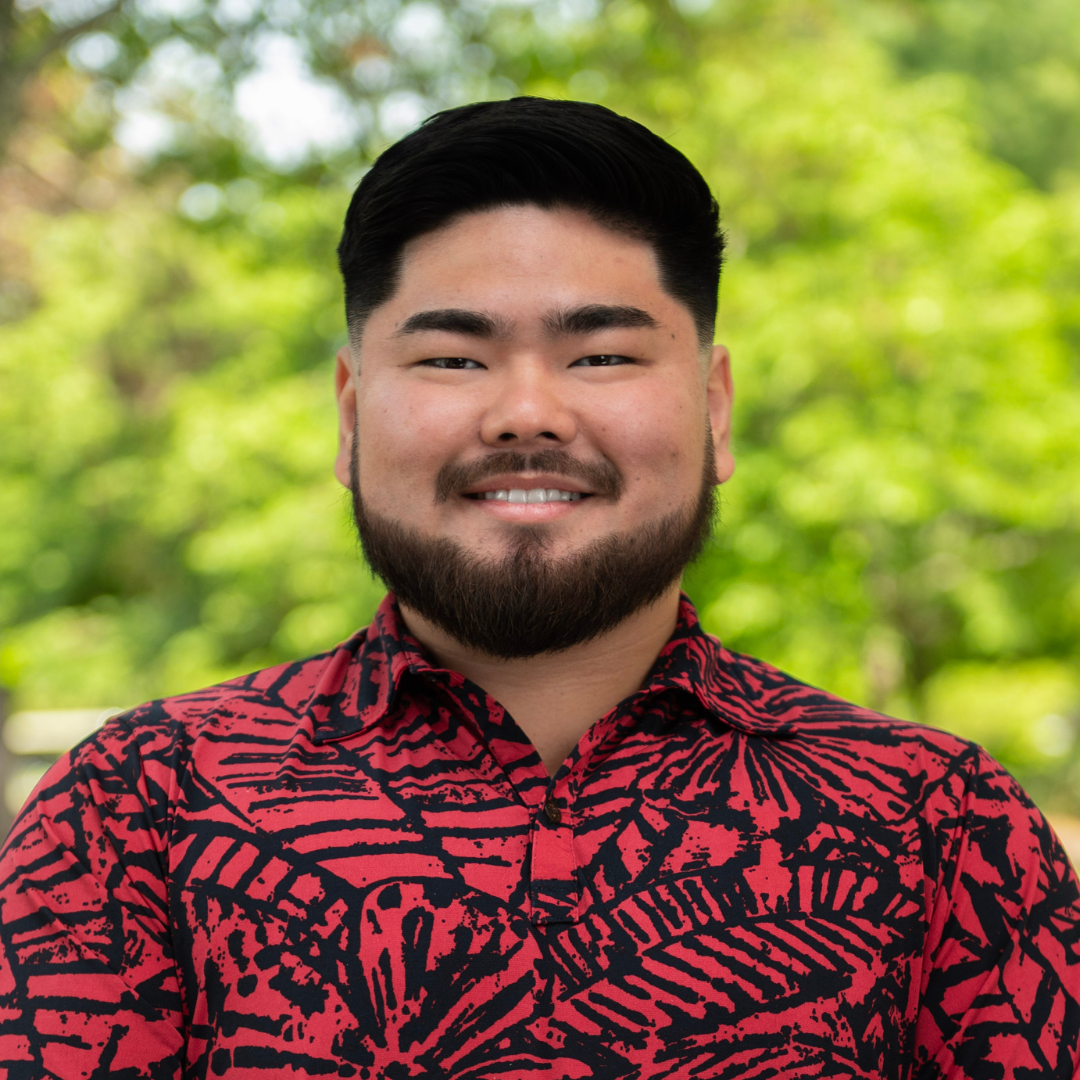
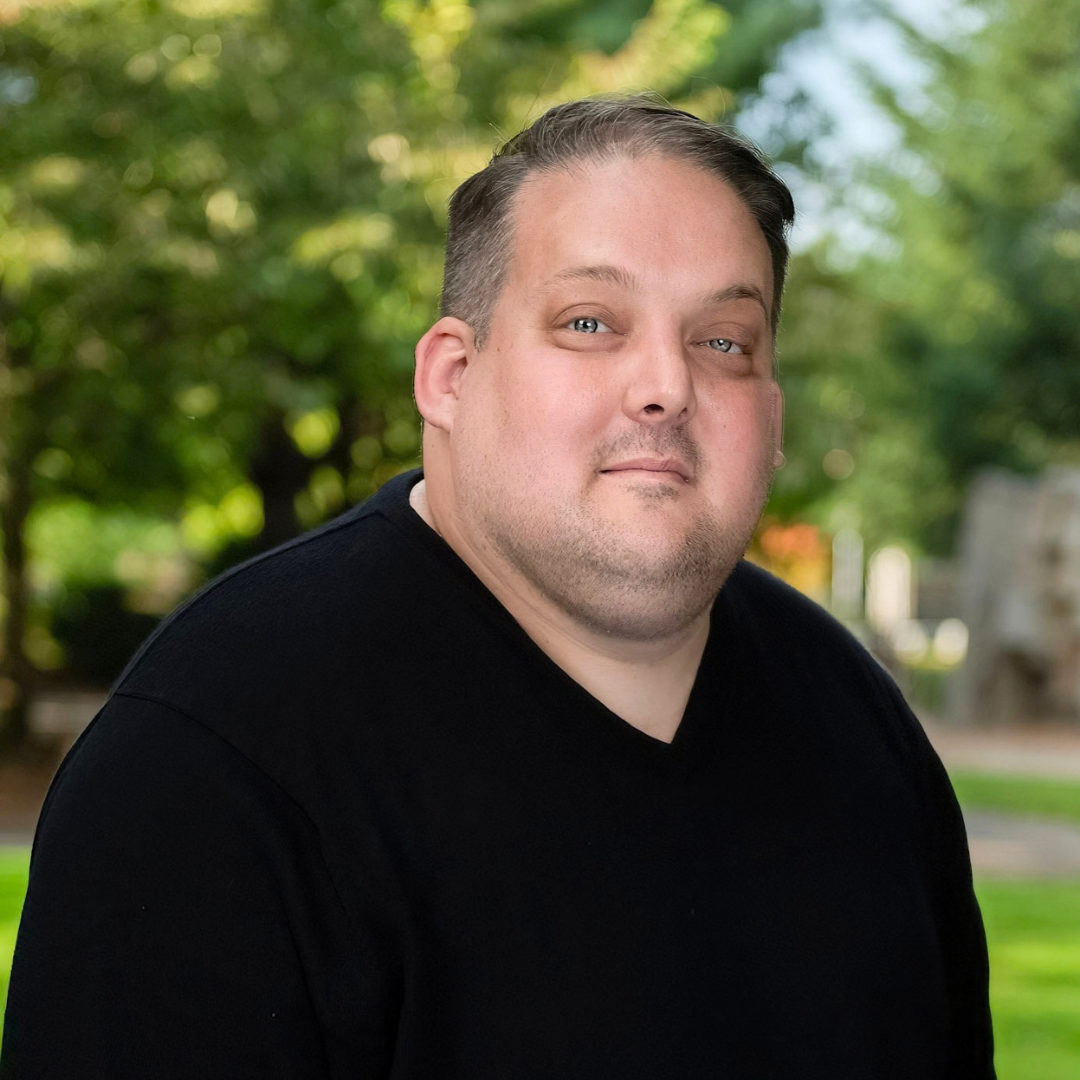
Patrick Lancaster
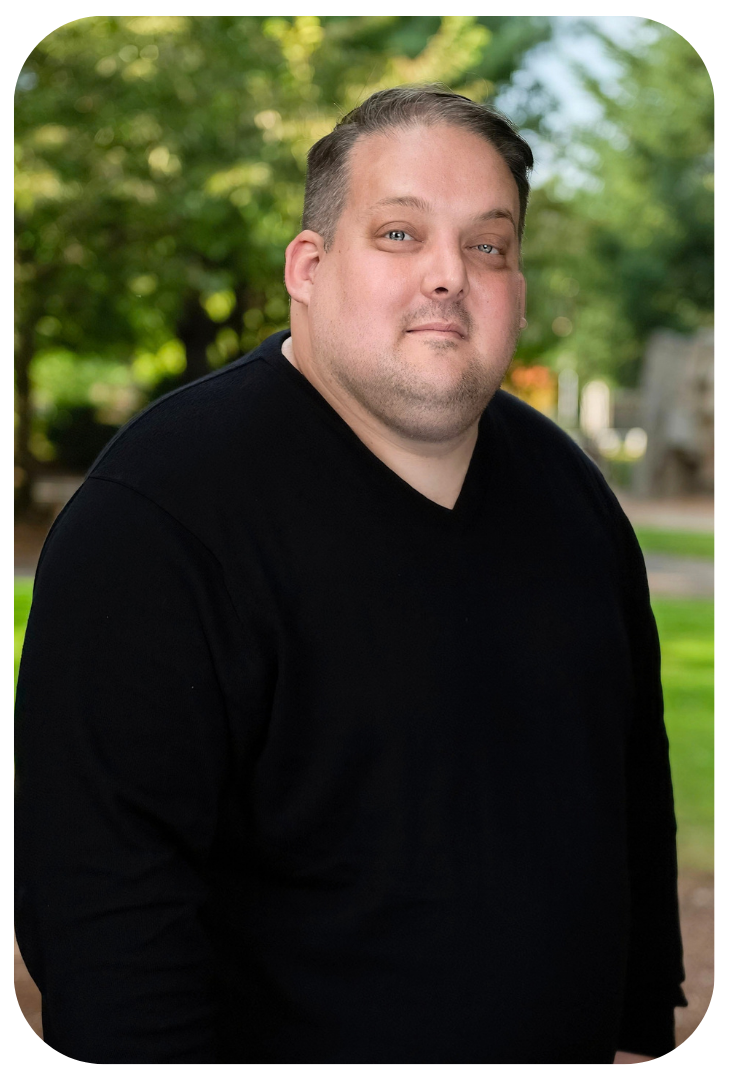
Board-Certified Psychiatric Mental Health Nurse Practitioner
Patrick Lancaster
Child, Adolescent, and Adult Psychiatric Medication Management | Autism, ADHD, and
Neurodiversity-Affirming Care
Patrick Lancaster is a board-certified Psychiatric Mental Health Nurse Practitioner who provides psychiatric evaluations and ongoing medication management for children, teens, young adults, and adults at Forest Psychological Clinic. He has more than fifteen years of experience caring for people with autism, ADHD, intellectual and developmental disabilities, serious mental health conditions, and complex medical and behavioral needs.
Patrick is especially passionate about working with children, adolescents, neurodivergent individuals, and families. His approach to psychiatric medication management is warm, thoughtful, and collaborative. He takes time to understand each patient as a whole person rather than focusing only on symptoms or a diagnosis. His goal is to help patients and families understand their options, make informed decisions, and develop a treatment plan that supports meaningful improvements in daily life.
Throughout his career, Patrick has worked in outpatient psychiatry, community-based mental health programs, residential settings, home healthcare, and programs serving autistic individuals and people with intellectual disabilities. His experience includes psychiatric evaluations, medication prescribing and monitoring, crisis intervention, risk assessment, patient and family education, and collaboration with psychiatrists, therapists, nurses, pharmacists, social workers, and other healthcare professionals.
Patrick provides initial psychiatric evaluations and medication consultations for patients who are considering medication, currently taking psychiatric medication, or seeking a new provider to manage an existing treatment plan.
Initial appointments are typically scheduled for approximately one hour. This gives Patrick time to understand the patient’s current concerns, developmental history, psychiatric and medical background, family history, previous treatment experiences, current medications, and personal goals. He also considers sleep, appetite, sensory needs, school or work functioning, relationships, stressors, and any side effects or difficulties associated with previous medications.
These appointments are different from the comprehensive autism, ADHD, or psychological evaluations performed by Forest Psychological Clinic’s psychologists. Patrick’s evaluations focus on psychiatric symptoms, diagnostic considerations, and whether medication may be a helpful part of the patient’s broader treatment plan.
Specialties
Ongoing medication-management appointments may include:
Monitoring whether medication is helping
Evaluating side effects and safety concerns
Adjusting medication when appropriate
Reviewing sleep, appetite, mood, attention, and daily functioning
Discussing stimulant and non-stimulant ADHD medications
Coordinating with therapists, evaluators, primary care providers, and other professionals
Helping patients and families understand diagnoses, medications, and treatment options
Patrick does not believe medication management should feel like a rushed, 15-minute interaction. He values building long-term relationships with his patients and creating enough space for them to ask questions, share concerns, and participate meaningfully in decisions about their care.


Autism, ADHD, and Intellectual Disabilities
Patrick has extensive experience supporting autistic people and individuals with ADHD, intellectual disabilities, developmental disabilities, learning differences, and other neurodevelopmental conditions. His professional background includes direct care, nursing leadership, psychiatric treatment, medication monitoring, and coordination with families and multidisciplinary support teams.
For autistic patients, medication is not used to change or eliminate autism. Instead, Patrick may help evaluate and treat co-occurring concerns such as anxiety, depression, attention difficulties, sleep problems, irritability, trauma-related symptoms, or mood instability when those concerns are interfering with the patient’s well-being.
Patrick understands that neurodivergent patients may communicate symptoms, experience side effects, or respond to medications differently. He considers sensory sensitivities, communication preferences, routines, executive functioning, medical needs, and the patient’s environment when developing and monitoring a medication plan.
Psychiatric Care for Children, Teens, and Families
Patrick particularly enjoys working with children and adolescents. He approaches younger patients with warmth, patience, and curiosity while helping them understand their treatment in developmentally appropriate ways.
Parents and caregivers are active partners in the treatment process. Patrick gathers information about behavior at home and school, sleep, appetite, emotional regulation, attention, sensory needs, relationships, and daily routines. He also helps families understand what a medication is intended to address, what changes to watch for, and when to contact the clinic with concerns.
Depending on the child or teen’s needs, psychiatric medication management may address:
Autism and co-occurring mental health concerns
ADHD and executive functioning difficulties
Anxiety and panic symptoms
Depression and mood changes
Emotional dysregulation and irritability
OCD and repetitive or intrusive thoughts
Trauma and PTSD
Sleep difficulties
Behavioral or developmental concerns
Bipolar disorder and other complex mood conditions
Patrick works collaboratively with parents while also respecting the child or teen’s growing independence, perspective, and right to be included in decisions about their care.


Psychiatric Medication Management for Adults
Patrick also provides psychiatric medication management for adults of all ages, including neurodivergent adults and adults with intellectual or developmental disabilities.
He supports adults experiencing ADHD, anxiety, depression, autistic burnout, trauma-related symptoms, OCD, sleep concerns, mood instability, psychotic symptoms, and other psychiatric difficulties. His professional interests include autism, ADHD, intellectual disabilities, anxiety, depression, PTSD, bipolar disorder, schizophrenia-spectrum conditions, and personality disorders.
For adults with intellectual disabilities or significant support needs, Patrick welcomes collaboration with family members, caregivers, residential providers, and other members of the patient’s treatment team when appropriate and authorized by the patient.
His previous work with individuals experiencing serious mental illness and complex behavioral or psychosocial needs has helped him remain calm, compassionate, and practical in difficult situations. At the same time, he understands that every patient is more than their symptoms and deserves to feel heard, respected, and involved in their care.
A Thoughtful and Collaborative Approach to Medication
Patrick views medication as one possible part of a broader treatment plan. He works with patients and families to consider the potential benefits, limitations, risks, and side effects of different options. He does not take a one-size-fits-all approach or assume that medication is automatically the right choice for every concern.
When medication is appropriate, Patrick provides clear education about what it is intended to address, how it should be taken, what side effects to monitor, and how progress will be evaluated. He encourages patients and caregivers to ask questions and share honest feedback about what is and is not working.
His approach emphasizes:
Shared decision-making
Careful medication monitoring
Respect for patient and family preferences
Clear explanations and practical guidance
Attention to physical and mental health
Collaboration with the patient’s broader treatment team
Treatment plans tailored to the individual


Multidisciplinary Care at Forest Psychological Clinic
Patrick works closely with Forest Psychological Clinic’s psychologists, therapists, and autism and ADHD evaluators. This multidisciplinary setting allows patients to receive coordinated care from professionals who understand neurodevelopmental differences and the ways that autism, ADHD, anxiety, trauma, learning differences, and mood concerns can overlap.
When appropriate and authorized, Patrick may collaborate with a patient’s therapist, psychological evaluator, primary care provider, school team, or other healthcare professionals. This communication helps ensure that medication decisions are informed by a broader understanding of the patient’s strengths, diagnoses, needs, and treatment goals.
Commitment to Neurodiversity-Affirming Care
Patrick recognizes autism, ADHD, and other forms of neurodivergence as meaningful parts of a person’s identity and experience. His goal is not to make patients appear more neurotypical. Instead, he helps patients and families identify which concerns are causing distress, limiting participation, or reducing quality of life and considers whether medication may help address those specific needs.
He approaches each patient with respect, curiosity, and an understanding that effective psychiatric care must account for communication style, sensory experiences, culture, identity, family relationships, medical history, and lived experience.


Personal Interests
Outside of his clinical work, Patrick enjoys playing guitar, listening to music, traveling, and taking road trips. He is also very close with his dog and enjoys spending time exploring new places with his four-legged companion. His warmth, curiosity, and genuine interest in other people carry into his work with patients and families.
Insurance and Access to Care
Patrick Lancaster is accepting new patients. He is primarily seeing patients in person at Forest Psychological Clinic’s Northeast Portland location at 1818 NE Irving Street, Portland, Oregon. Telehealth appointments will also be available.
Patrick is credentialed with Kaiser Permanente, Regence BlueCross BlueShield, Providence Health Plan, ComPsych, PacificSource, United Health Care also known as Optum, and Moda Health. Credentialing effective dates and coverage may vary by insurance plan and service type. To verify benefits or discuss scheduling and billing options, contact your insurance provider or Forest Psychological Clinic at (971) 331-1366.
Contact Our Team
Contact Our Team -
Start Your Path to Healing
Connect with a caring specialist today and take the first step toward a healthier, more fulfilling life.
300 Oswego Pointe, Suite 220 Lake Oswego, OR 97034

We provide a safe space where you can find peace within yourself. Our expert therapists guide you through overcoming mental challenges with personalized care.
Lake Oswego
300 Oswego Pointe, Suite 220 Lake Oswego, OR 97034
Northeast Portland
1818 NE Irving Street Portland, OR 97232
Copyright © 2026 Forest Psychological Clinic, LLC - All Rights Reserved.